
Our Vetting Standards
The Science of Non-Toxic Performance
OUR PROCESS
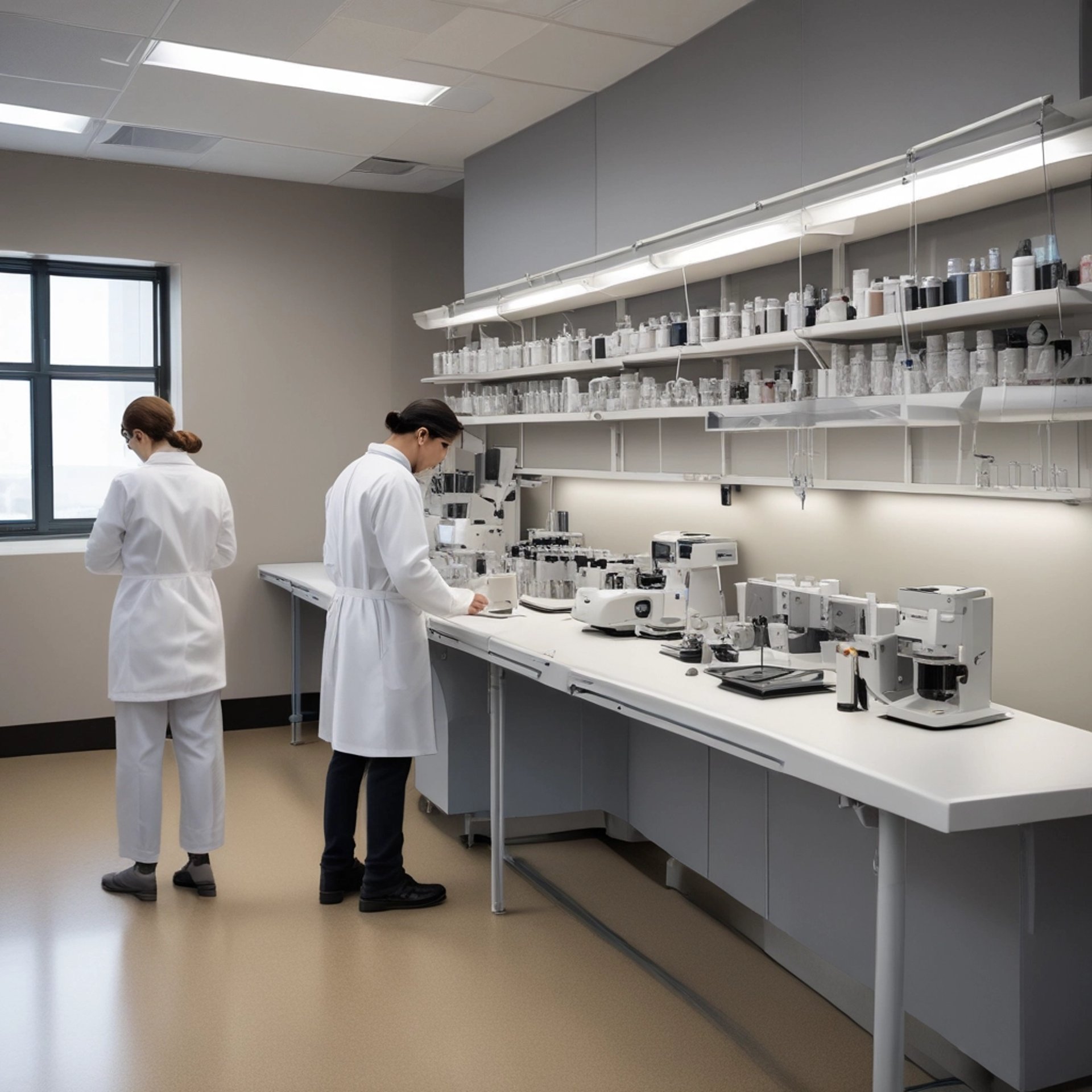
We don’t just look for labels; we audit the molecular makeup of the textiles that touch your skin. Our vetting process is built on a 5-pillar framework that bridges the gap between material science and clinical health.
Ingredients
We look for safe, recognizable materials you can trust.
Wear-Testing
Real experiences guide us in spotting good products.
Transparency
Clear, honest labels help you make informed choices.
THE VETTING PROCESS
1. Fiber Purity & Integrity
We prioritize 100% monomaterials. Blends (like cotton-polyester) are often where "hidden" toxins reside and where circularity dies.
The Standard: Minimum 95% organic natural fiber content.
The "Vet": We look for GOTS 8.0 or OEKO-TEX Organic Cotton certifications to ensure zero GMOs or prohibited pesticides were used at the farm level.
Why it matters: Pure natural fibers (Hemp, Linen, Organic Cotton) are inherently more breathable, reducing the "micro-climate" heat on the skin that can trigger inflammation.
2. Endocrine & Hormone Safety
Textiles are a significant, yet often ignored, source of Endocrine Disrupting Chemicals (EDCs).
The Standard: Zero intentional use of PFAS (forever chemicals) and restricted Bisphenols (BPA/BPS).
The "Vet": We cross-reference brand supply chains against the ZDHC (Zero Discharge of Hazardous Chemicals) MRSL list.
Why it matters: Chemicals like BPA, often found in synthetic activewear, can be absorbed through the skin, potentially mimicking or interfering with natural hormone production.
3. Skin Biocompatibility
Our largest organ is porous. We vet for "Biocompatible" textiles that respect the skin's pH and microbiome.
The Standard: pH levels must fall between 4.0 and 7.5 (Human skin is typically 4.7–5.7).
The "Vet": We prioritize brands using Standard 100 by OEKO-TEX (Product Class 1), which is the strictest testing level—originally designed for infants.
Why it matters: Fabrics with high alkalinity or residual formaldehyde cause "contact dermatitis" and chronic skin sensitivity.
4. Chemical & Finish Audit
Even a "natural" shirt can be toxic if the finish is wrong. We audit the "wet processing" phase.
The Standard: No Azo dyes, heavy metals, or "Easy-Care" (formaldehyde) resins.
The "Vet": We look for BlueSign® Approved chemistry or GOTS-approved low-impact dyes.
Why it matters: Wrinkle-resistant finishes are almost always achieved through formaldehyde-releasing resins—a known carcinogen and skin irritant.
5. Mechanical Performance (The "Wear" Test)
A healthy fabric is only "sustainable" if it lasts. We evaluate the physical durability.
The Standard: Evaluation of tensile strength and pilling resistance.
The "Vet": Based on my background in product development, I physically test the "hand-feel" and structural integrity of every piece for 30 days before it is "Vetted."
Why it matters: Higher quality long-staple fibers shed fewer microfibers, which is better for both your respiratory health and the planet.
Contact
Reach out for questions or collaborations
© 2026. All rights reserved.